
Best Serengeti Camps for Big Cats
Where to stay in the Serengeti for the best lion, cheetah and leopard viewing — from the kopjes and river valleys of Seronera to the eastern plains and the calving grounds — and how to read placement, season and guiding before you book.

Photo: Bibake Uppal / Unsplash
- ✓The Serengeti holds all three great cats in exceptional numbers — lion, cheetah and leopard — and your camp's sector decides which of them you are most likely to watch.
- ✓Central Seronera, with its rivers and granite kopjes, is the strongest year-round bet for big cats, and famous above all for river-fig leopards.
- ✓Open eastern and southern plains favour cheetah, which hunt in the clear; the calving season around Ndutu pulls every predator in for the year's most intense action.
- ✓A camp can only place you in the right country — sightings are never guaranteed, and a patient, knowledgeable guide matters more than any brochure claim.
- ✓Treat all migration timing as a 30-year average; verify both a camp's position for your exact dates and current park fees and rates with the operator before you commit.
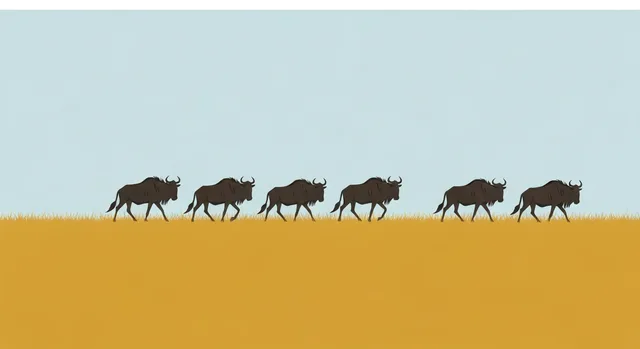
Why your camp decides which cats you see
There is a particular kind of stillness that settles over a vehicle when a lion lifts its head from the grass and looks straight at you, and chasing that moment is the reason a great many people come to the Serengeti at all. But the cats do not distribute themselves evenly across these endless plains. Lions favour the kopjes and river valleys where shade, water and ambush cover meet; leopards keep to the riverine forest where they can drape themselves in a fig tree and stash a kill out of reach; cheetahs choose the open, treeless ground where speed is everything. Choose a camp in the wrong country and you can drive for hours to reach the cats; choose well and you roll out of bed into their territory.
That is the whole premise of this page. We do not rank camps as a fixed league table, because the honest answer to 'which camp is best for big cats' is always 'best for which cat, in which month, for whom'. Instead, we map the cats to the sectors where your odds are strongest, then describe the kind of camp that sits in each — so you can match a bed to the predator you most want to watch, and to the season you are travelling.
At a glance
A quick orientation before the detail — use this as a scorecard, then weight the rows that matter most for the cat you are chasing.
- Best all-round sector: central Seronera, for resident lion, leopard and cheetah in every season.
- Best for leopard: the riverine forest of the Seronera Valley, where leopards rest in the figs.
- Best for cheetah: the open eastern plains and the southern short-grass country during calving.
- Best for predator drama: the southern Ndutu plains in the calving window, roughly December to March.
- Camp styles that suit cat-watching: small tented camps and mobile camps placed for long, patient drives, plus private vehicles.
- Always verify: a camp's placement for your dates, current park and concession fees, and rates — directly with the operator.
Central Seronera: the year-round big-cat heartland
If you could pick only one base for cats and were not chasing a specific season, it would be central Seronera. This is the beating heart of the park — a landscape of slow rivers, acacia woodland and granite kopjes rising like islands from the grass — and it carries one of the densest big-cat populations anywhere in Africa. Lions hold permanent territories here and are often easy to find, sprawled across a warm kopje or shading under a lone tree. Cheetahs work the open ground between the woodlands. And the Seronera Valley is genuinely famous for leopard: the riverine fig trees that line the watercourses are exactly the kind of cover a leopard loves, and a patient morning along the river is one of the most reliable leopard searches on the continent.
The other reason Seronera earns the top spot is that it does not depend on the migration. The herds pass through and move on, but the resident cats stay, which means a Seronera camp delivers good cat-watching in any month of the year. That makes it the natural choice for a first safari, for a green-season trip when the great herds are scattered, and for anyone who wants the surest odds rather than the rarest spectacle. Camps here run the full range from comfortable permanent lodges to intimate tented camps; for cats specifically, lean towards a smaller camp with strong guiding and the option of a private vehicle, so you can sit out a sighting rather than rush it.
- Lion: resident prides on the kopjes and along the rivers, findable year-round.
- Leopard: the Seronera Valley's riverine figs are a standout, especially on early-morning drives.
- Cheetah: open ground between the woodlands, best in clear morning light.
- Who it suits: first-timers, green-season travellers and anyone wanting the surest year-round odds.
The eastern plains: cheetah country in the clear
Cheetahs are built for open ground, and the eastern reaches of the Serengeti give them exactly that — vast, flat, near-treeless plains where a sprinting cat has nothing to hide behind and, crucially, nothing to hide your view either. This is some of the best cheetah-watching country on earth, and it has a particular appeal for travellers who have already seen lions and leopards and now want to watch a hunt unfold across open grass in full daylight. The eastern plains also tend to be quiet, far from the busier central tracks, so a sighting here often feels like yours alone.
Camps in this part of the park are few and deliberately remote, which is part of the draw. They tend to be small, design-led tented camps that trade easy access for exclusivity and space, and they reward guests who are happy to spend long, unhurried mornings out on the plains. Because the eastern sector is open and the cats range widely, a private vehicle and a guide who knows the resident coalitions can make an enormous difference — this is country where patience and local knowledge, not luck alone, find the cats.
- Cheetah: open, treeless plains make this prime daylight hunting country.
- Lion: resident prides on the eastern kopjes, often with few other vehicles around.
- Atmosphere: remote, quiet and exclusive, with long unhurried game drives.
- Best with: a private vehicle and a guide who knows the local coalitions.

The southern plains and calving season: the year's most intense predator action
There is one window when the Serengeti's predators are at their most visible and most active, and it is calving season on the southern short-grass plains around Ndutu, on the Ngorongoro edge. In a span of roughly three weeks — peaking in February, though treat that as a long-run average rather than a fixed date — around half a million wildebeest calves are born onto open ground. That concentration of vulnerable prey draws lions, cheetahs, hyenas and more into the area in extraordinary numbers, and the treeless terrain means you watch it all in the clear. For sheer density of predator-and-prey drama, no other moment in the Serengeti year compares.
Staying close matters here, because the action is concentrated and a long transfer can cost you the golden hour. Mobile camps shine in this window: many pitch a southern site near Ndutu for exactly these weeks, putting you among the herds at first light. Permanent and seasonal camps on the southern plains do the same. Whichever you choose, the rule is to confirm the camp's placement against where the herds usually are for your specific dates — the calving grounds shift with the rains, and a camp's value is entirely a function of where it sits when you arrive.
- When: calving peaks around February on the southern Ndutu plains — verify your dates against the long-run pattern.
- Why: half a million newborns draw every predator, and open ground makes it all visible.
- Cheetah: this is the standout window for daylight cheetah hunts on short grass.
- Stay close: mobile camps and southern-plains camps placed for the calving herds.
What makes a camp good for cats — beyond the sector
Once you have the right sector, the things that turn a good cat camp into a great one are not in the photographs. The first is guiding. Big cats reward time and tracking knowledge far more than luck — a guide who knows the resident prides, reads alarm calls and fresh tracks, and is willing to sit patiently with a cheetah for an hour before it moves will find and keep more sightings than the smartest vehicle ever could. Ask, before you book, about a camp's guiding ratios and whether its guides are long-serving locals who know the territories.
The second is vehicle flexibility. A private vehicle lets you stay with a sighting, change plans on a hunch, and be out at the edges of the day when the cats are most active, rather than running to a shared schedule. The third is daily rhythm: camps that offer early starts, all-day drives with a picnic lunch in the field, and — where the area permits it — night drives will hand you the dawn and dusk hours when cats hunt. Smaller camps tend to be more flexible on all three. None of this guarantees a sighting; the Serengeti deals in probabilities, never promises. But the right sector, a great guide and a flexible vehicle stack those probabilities firmly in your favour.
- Guiding: long-serving local guides who track prides and read the bush outperform luck.
- Vehicle: a private vehicle lets you sit out a sighting and work the golden hours.
- Rhythm: early starts, all-day drives and, where allowed, night drives catch hunting cats.
- Honesty: no ethical camp guarantees a sighting — wildlife is wild.
How to choose, and book, your big-cat camp
Put the decisions in order and the choice becomes simple. First, pick the cat and the season: leopards and reliable year-round lions point to central Seronera; daylight cheetah hunting points to the open eastern or southern plains; the most intense all-predator drama points to the southern calving grounds in the late-summer rains. Second, match a camp that sits in that country — and, if you are travelling for calving or the migration, confirm in writing where it will be pitched for your exact dates. Third, layer on the things that compound your odds: small camp, strong local guides, a private vehicle, flexible drive times.
Then book early and verify the numbers yourself. The best-placed small camps in the prime cat sectors are limited and sell out furthest ahead, especially over peak calving and dry-season weeks. Rather than quote figures that quickly go stale, we keep this evergreen: confirm current park and concession fees and the camp's own rates directly with the operator before you commit. Do that, travel with patience, and the Serengeti's cats will do the rest.

Related guides

Big Cats in the Serengeti
A guide to the Serengeti's three great cats — lion, cheetah and leopard — where each is most likely, how their behaviour shapes a sighting, and why a patient vehicle and a good guide matter more than any guarantee.
Read guide
Central Serengeti Lodges
Where to stay in central Seronera — the Serengeti's year-round heart — for reliable big cats, an easy first safari, the best airstrip access and the widest range of lodges and tented camps in the park.
Read guide
Lions in the Serengeti
A guide to Serengeti lions — pride structure, the kopjes they hold as territory, how and when they hunt, the best sectors and seasons, and how to watch them ethically without scheduling a kill that no one can promise.
Read guideMore in Where to Stay
6
Accessible Lodges in the Serengeti
Accessibility-aware planning for a Serengeti safari — how to read a lodge for steps, showers, paths and vehicle transfers, where fly-in helps, what medical support exists in a remote park, and the questions to ask before you book.
Read guide
All-Inclusive Serengeti Lodges
What 'all-inclusive' actually means at a Serengeti lodge or camp, what tends to be quietly excluded, and how to read two quotes side by side so you are comparing the same trip — not the same word.
Read guide
Best Serengeti Camps for Photographers
How to choose a Serengeti camp if photography is the point of the trip — placement near the action, the right vehicle and bean-bag set-up, guides who think like photographers, and the logic of a private vehicle and the golden hours.
Read guide
Best Serengeti Safari Lodges & Camps
How to choose the best Serengeti lodge or camp — what separates a permanent lodge, a classic tented camp and a mobile camp, and how to match each to your sector, your season, your migration goal and your budget from honest value to ultra-luxury. The right lodge is the one in the right place for your dates.
Read guide
Best Small Camps in the Serengeti
Why the Serengeti's smallest camps — often just a handful of tents — deliver quieter guiding, attentive hosting and a more immersive sense of wilderness, who they suit, and how to choose and book an intimate camp well.
Read guide
Best Tented Camps in the Serengeti
How to choose the best tented camp in the Serengeti — classic, mobile, luxury and family-friendly canvas compared across the park's sectors, with honest, no-guarantee guidance on placement and season.
Read guide