
Serengeti Balloon Safari
A dawn hot-air balloon flight over the Serengeti — how the morning unfolds, the launch sectors, weather and safety, what it costs and who it is for, ending with a Champagne bush breakfast on the plains.

Photo: Tanzania Wild Sky / Unsplash
- ✓A balloon safari is the classic Serengeti splurge: a sunrise drift over the plains, ending with a Champagne breakfast laid out in the bush.
- ✓Flights launch before dawn and last roughly an hour, riding the calm early-morning air over a sector such as central Seronera, the Western Corridor or the south.
- ✓Ballooning is weather-dependent — flights can be cancelled or rerouted at short notice, and refunds or rebooking depend on the operator's policy.
- ✓It is a once-in-a-trip experience rather than a wildlife-guarantee — you see the landscape and the herds from above, not a checklist of close-up sightings.
- ✓Book ahead, especially in peak season, and verify current prices, age and weight limits and the launch sector with the operator before you commit.
The single most magical morning
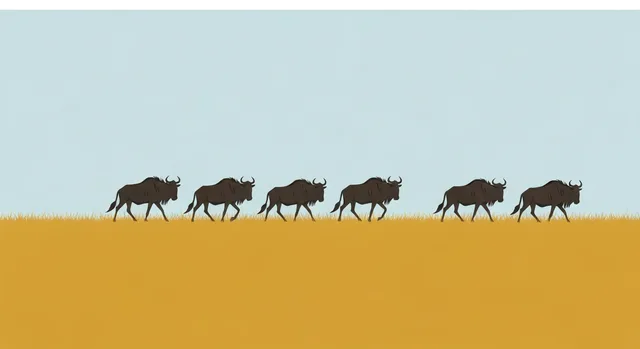
Of all the ways to spend a morning in the Serengeti, none lingers in the memory quite like a balloon flight. You rise in the dark, drive to a launch site as the first grey light seeps in, and watch the great envelopes fill and stand. Then the basket lifts, almost imperceptibly, and the plains fall away beneath you — silent except for the burner's intermittent roar — as the sun breaks over the horizon and floods the grassland gold. It is the closest most travellers will ever come to flying, and it reframes the whole landscape: the rivers, the kopjes, the dark rivers of wildebeest, all laid out like a living map.
A balloon safari is unashamedly a splurge, and it earns the description. It is the classic Serengeti indulgence — the experience honeymooners, milestone travellers and photographers save for — and it ends not with a bump and a handshake but with a Champagne breakfast set out on the plains, tables and white linen improbably in the middle of the wild. If there is one morning on your trip to spend lavishly, this is the strongest candidate.
How the morning unfolds, step by step
A balloon safari is choreographed around the calm, cool air just before and after sunrise, so the day starts very early. Knowing the sequence in advance takes the guesswork out of it.
- Pre-dawn pickup: you are collected from camp in the dark, often around 4.30–5.30am depending on the season and sunrise.
- Transfer and briefing: a short drive to the launch site, where the crew inflate the balloon and the pilot briefs you on safety and the landing position.
- Lift-off at first light: the basket rises gently as the sun comes up, timed for the softest air and the best light.
- The flight: roughly an hour aloft, drifting with the wind low over the plains and higher for the long views, with no control over exact direction.
- Landing: the pilot sets down wherever the wind allows; you may brace in the landing position for a soft touchdown.
- Bush breakfast: a full Champagne breakfast is laid out on the plains where you land, often with a certificate and the crew's stories.

At a glance
A quick reference card for planning a balloon morning. Treat all figures as evergreen guidance — verify the current detail with your operator.
- Duration: roughly one hour in the air; the whole morning, with transfers and breakfast, runs about four to five hours.
- Timing: pre-dawn start, lift-off at sunrise for the calmest air and best light.
- Sectors: commonly central Seronera, the Western Corridor (Grumeti) and the southern plains in season; northern flights are more limited.
- Capacity: shared baskets typically carry a dozen or more passengers; small-group and private baskets cost more.
- Restrictions: minimum age, and minimum and maximum weight limits, usually apply — confirm with the operator.
- Weather: flights are subject to cancellation or rerouting for wind, rain or visibility; rebooking and refunds follow the operator's policy.
- Cost: a premium add-on priced per person; verify the current rate, which changes seasonally.
Where you fly, and when it works best
Balloon operations are based in a handful of sectors, and where you fly depends on where you are staying. Central Seronera is the most established launch area, flying year-round over the rivers, kopjes and resident wildlife of the park's core. The Western Corridor along the Grumeti and the southern plains around Ndutu run seasonal operations that can coincide beautifully with the migration — drifting over the calving plains in the green months, or over herds moving west, is the kind of timing worth planning around. The far north has fewer balloon operations, so if a flight matters to you, check availability for the sector your migration dates point to.
Because a balloon goes where the wind takes it, you cannot order up a river crossing or a particular sighting from the air. What you get instead is scale and perspective: the sheer extent of the plains, the geometry of the herds, animals viewed from an angle no game drive can offer, and light that photographers chase their whole lives. If your priority is close-up wildlife, the balloon complements your game drives rather than replacing them; if your priority is the landscape and the once-in-a-lifetime experience, it is unmatched.
Weather, safety and the things that can go wrong
Ballooning is a weather-dependent activity, and an honest guide will tell you so before you book. Pilots fly only when wind, rain and visibility allow, which means flights can be cancelled or rerouted at short notice — sometimes when you are already at the launch site. In the rainy months, the odds of a weather scrub rise. Build flexibility into your plans where you can, and ask the operator how they handle cancellations: policies vary on whether you are refunded, rebooked for another morning or offered a partial credit.
Safety is taken seriously by the established operators. Balloon safaris are run by experienced commercial pilots under regulation, with safety briefings, a recommended landing position and ground crews tracking the flight. As with any aviation activity there is inherent risk, and the standard age, weight and mobility requirements exist for good reasons — getting in and out of a basket, and bracing for landing, demands a degree of fitness. If you have mobility limitations, are pregnant, or fall outside the weight limits, raise it with the operator early rather than on the morning.
What it costs and who it is for
A balloon flight is one of the most expensive single activities on a Serengeti itinerary — a premium add-on priced per person, well above the cost of an ordinary game-drive morning. Rates shift by season and operator, and small-group or private baskets cost more than a shared one, so we keep wording evergreen here and point you to the operator for the current figure. Build it into the budget as a one-off treat rather than an everyday cost, and book ahead: peak-season mornings, especially over the migration sectors, sell out.
Who is it for? Honeymooners and couples marking an occasion, for whom the Champagne breakfast and the sunrise drift are the romantic high point of the trip. Photographers, for the aerial perspective and the light. Bucket-list travellers who want the defining Serengeti splurge. It suits most reasonably mobile adults, within the age and weight limits, and many older children where operators allow them. It suits less well anyone deeply uneasy with heights, anyone outside the physical requirements, or budget-focused travellers for whom the same money buys several more nights or a private vehicle.
Common questions about balloon safaris
How long is the flight? Roughly an hour in the air, though the whole experience — pre-dawn pickup, transfer, flight and bush breakfast — fills about four to five hours of your morning.
Will I see a river crossing or specific animals from the balloon? No flight can promise it. A balloon goes where the wind takes it, so you see the landscape and whatever herds and wildlife lie beneath your path, from a perspective no vehicle offers — but it is not a substitute for close-up game drives.
What happens if the weather cancels my flight? Pilots fly only when conditions are safe, so cancellations and reroutes happen, especially in the rains. Whether you are refunded or rebooked depends on the operator's policy, so confirm it before you pay.
Are there age or weight limits? Yes — most operators set a minimum age and both minimum and maximum weight limits, partly for safety and partly for the balloon's load calculations. Check the specifics, and flag any mobility or health concerns, before booking.
Is it worth the money? For honeymooners, photographers and bucket-list travellers, it is frequently the highlight of the whole trip. For budget-focused travellers, the same spend buys several more nights or a private vehicle — so it comes down to what you most want to remember.

Related guides

Romantic Serengeti Safari
Soft-luxury ideas for couples in the Serengeti — intimate tented camps, private sundowners and bush dinners, a dawn balloon flight, a private vehicle, and the quiet sectors where you can have the plains to yourselves. Evergreen and built for two.
Read guide
Luxury Serengeti Safari
High-end Serengeti planning — private guides and vehicles, fly-in camps in the most exclusive concessions, the finest lodges and mobile camps, and the migration placement that turns a beautiful trip into a flawless one.
Read guideSerengeti Photography Safari
How to plan a photo-first Serengeti safari — the vehicle and private guide that make or break your images, the lenses and light to plan for, and the seasons that put predators and crossings in front of your lens.
Read guideMore in Safari Types
6
Fly-In Serengeti Safari
How a fly-in Serengeti safari works — when to fly into Seronera, Kogatende, Grumeti or Ndutu, the light-aircraft hops from Arusha and Zanzibar, the strict baggage rules, and how flying changes your budget.
Read guide
Group Joining Serengeti Safari
How a group joining Serengeti safari works — the pros, the cons, the safety questions to ask and the itinerary checks to run — so a shared, budget-friendly safari still delivers the wildlife you came for.
Read guide
How Much a Serengeti Safari Costs
What a Serengeti safari really costs — the building blocks of park fees, accommodation, vehicles, flights and guiding, how season, sector and style move the total, and how to build a realistic per-person, per-day budget without quoting figures that go stale.
Read guide
Mobile Camps in the Serengeti
How seasonal mobile camps follow the migration around the Serengeti, what staying in one is really like, and who should choose canvas-that-moves over a permanent lodge.
Read guide
Night Drives Near the Serengeti
Where night drives are possible around the Serengeti — on the private concessions that border the park — and why they are not part of a standard game drive inside the national park itself. Honest, evergreen guidance on a nocturnal safari.
Read guide
Private Serengeti Safari
When a private vehicle and guide are worth it on a Serengeti safari — for timing, photography, families, flexibility and tracking the migration — and how a private trip differs from a shared one.
Read guide