
Ngorongoro Crater with the Serengeti: How to Combine Them
How to combine the Ngorongoro Crater with a Serengeti safari — the route, how many nights to give each, how the fees stack up, the wildlife you'll see including black rhino, and how to time it around the migration and permits.

Photo: Ema Studios / Unsplash
- ✓The Ngorongoro Crater is the natural companion to a Serengeti safari — a completely different landscape on the road in from Arusha, so it adds enormous variety with little detour.
- ✓The crater floor holds one of the densest concentrations of wildlife in Africa, and one of the best chances anywhere of seeing black rhino in the wild.
- ✓A standard combination is a night on the crater rim with a half-day descent, slotted before or after your Serengeti nights as the route allows.
- ✓Ngorongoro is a separate conservation area with its own fees, charged on top of Serengeti park fees — budget for both, and verify current amounts.
- ✓Timing matters: in calving season the southern Serengeti plains sit right on the Ngorongoro edge, making the pairing especially neat — but verify the herds' position for your dates.
- ✓Keep fee amounts, gate hours, permit timing and crater-access rules to official sources and your operator, and verify them close to travel.
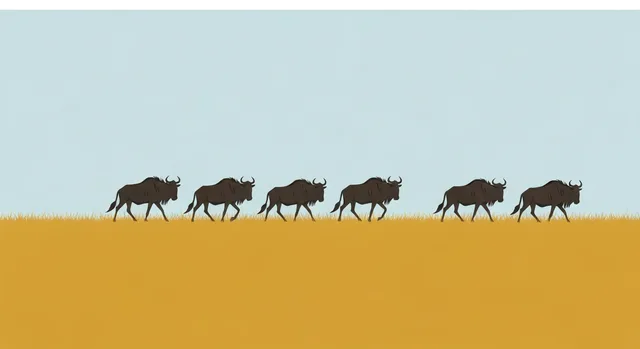
Why the crater and the plains belong together
If the Serengeti is the endless plain, the Ngorongoro Crater is its opposite and its perfect foil: a vast, intact volcanic caldera, its walls rising some six hundred metres around a self-contained floor of grassland, forest, soda lake and swamp. Where the Serengeti overwhelms with openness, Ngorongoro astonishes with density — packed into that bowl is one of the richest gatherings of wildlife on the continent, including the lions, elephants and buffalo you came for and, crucially, a genuine chance of black rhino, which are far harder to find out on the plains. The two places could hardly feel more different, which is exactly why they pair so beautifully: one trip, two of Africa's greatest wildlife landscapes, a short drive apart.
The geography makes the combination almost effortless. The crater sits within the Ngorongoro Conservation Area on the road between Arusha and the Serengeti, so an overland safari passes right through it — there is no awkward detour, just a stop on the way in or out. That convenience is why the great majority of Northern Circuit itineraries include both, and why 'should I add the crater?' is a question most travellers answer with an emphatic yes. This guide walks through how to combine them well: how to route the leg, how many nights to give each, how the fees stack up, what you'll actually see, and how to time the whole thing around the migration and your permits. As ever, treat fees and timing as evergreen and verify the current details before you travel.
At a glance: combining Ngorongoro with the Serengeti
A quick orientation before the step-by-step. Everything here is evergreen — confirm current fees, gate hours, permit rules and the herds' likely position with official sources and your operator close to travel.
- Where: the Ngorongoro Crater, inside the Ngorongoro Conservation Area, on the road between Arusha and the Serengeti.
- Route: Arusha → Ngorongoro (rim) → descend the crater → continue to the Serengeti via Naabi Hill, or the same in reverse.
- Nights: commonly one night on or near the crater rim, with a half-day descent onto the floor.
- Fees: Ngorongoro charges its own conservation and crater-service fees, separate from and on top of Serengeti park fees.
- Wildlife: dense plains game and predators on the floor, plus one of the best black-rhino chances in the wild.
- Best with calving season: the southern Serengeti plains (Ndutu) sit right on the Ngorongoro edge — a short, neat link.
- Direction: works equally well as a first stop on the way in or a last stop on the way out.
How to route the leg, step by step
Combining the two is mostly about sequencing the days so the crater and the Serengeti each get their due without wasting daylight on transfers. Work through these steps with your operator and the trip falls into place. The same logic works in reverse if you visit the crater on the way out rather than in.
- Decide direction first: crater as your first stop (en route to the Serengeti) or your last (on the way back to Arusha). Both work; let your flights and the migration decide.
- Spend the night on or near the crater rim, so you can descend at first light when the floor is at its most active and the air clearest.
- Descend for a half-day game drive on the crater floor — usually enough to see an extraordinary range of wildlife in a compact space, rhino included if luck holds.
- Climb out and continue across the Ngorongoro Conservation Area grasslands toward Naabi Hill Gate, treating the descent onto the plains as game viewing in itself.
- Clear Naabi Hill (permits and cashless fees) and run north into your chosen Serengeti sector, with the final leg doubling as your first plains game drive.
- Pick your Serengeti sector before you plan the day — Ndutu in the south is closest to the crater, Seronera further, the west and north further still — because it sets how early you must leave.
- Verify gate hours, fees and the herds' likely position for your exact dates beforehand, and let your operator handle the on-the-day timing.
How many nights to give each
The crater rewards intensity over duration. Its floor is compact and astonishingly productive, so most travellers find that a single night on the rim with a half-day descent delivers a complete, satisfying experience — you can see lions, elephants, buffalo, flamingos on the soda lake and, with luck, black rhino, all in a morning. A second crater day is a luxury rather than a necessity, worthwhile only if you are a keen wildlife or photography enthusiast who wants to work the floor more thoroughly or chase a better rhino sighting. For most itineraries, one night and one game drive is the sweet spot, leaving more of your precious days for the Serengeti.
The Serengeti, by contrast, wants time, because it is vast and the wildlife is spread across enormous sectors that shift with the migration. Three to four nights in the park is a sensible minimum to do a single sector justice, and a week lets you combine sectors or follow the herds. So the typical balance of a combined trip tilts heavily toward the plains: one night at the crater bookending several in the Serengeti. Let your total days set the ratio — a short trip keeps the crater to a single decisive day, while a longer one can afford the indulgence of a second.
- Ngorongoro: usually one night on the rim plus a half-day floor drive — intense and complete.
- A second crater day is optional, best for keen wildlife or photography travellers chasing rhino.
- Serengeti: three to four nights minimum for one sector; a week to combine sectors or follow the herds.
- Typical balance: one crater night bookending several Serengeti nights.

Fees, permits and budgeting for both
The most important practical point is that Ngorongoro and the Serengeti are run by different authorities and charged separately. The Serengeti's park fees are set by the Tanzania National Parks Authority (TANAPA), while the Ngorongoro Conservation Area is managed by its own body with its own conservation entry fee and a separate crater-service fee for descending onto the floor. A combined trip therefore pays both organisations, not one — and those crater fees sit on top of your Serengeti park fees rather than replacing them. This is not a hidden trap; it is simply why a transparent quote for a combined safari has more fee lines than a Serengeti-only one, and why a price that looks suspiciously low may be missing the crater's charges.
Permit and access details matter too. The crater-service fee is typically charged per descent, and crater access is governed by rules and hours you cannot bend, so the timing of your floor drive is something your operator coordinates rather than you improvising. Because all of these figures are reviewed periodically and change, we keep them evergreen here and point you to the official sources to confirm the current Ngorongoro and TANAPA amounts for your travel dates. Budget for both authorities, ask your operator to itemise or confirm that crater and park fees are included, and verify the numbers yourself before you pay so there are no surprises at either gate.
- Ngorongoro is a separate authority with its own conservation entry fee and a crater-service fee.
- Those crater fees are charged on top of Serengeti (TANAPA) park fees, not instead of them.
- The crater-service fee is typically per descent, and floor access follows fixed rules and hours.
- A combined-trip quote should itemise or clearly include both authorities' fees.
- Verify current Ngorongoro and TANAPA amounts on official sources before you travel.
Wildlife and timing it around the migration
The crater's wildlife is what makes the pairing irresistible. The floor's grassland, forest, lake and swamp support an exceptional density and range of animals year-round — large lion prides, elephants (often grand old bulls in the Lerai forest), buffalo, hippo, flamingos massed on the soda lake, and the plains game that feed them all. Most prized of all is the black rhino: the crater is one of the few places in the region where you have a realistic chance of seeing one in the wild, which alone justifies the descent for many travellers. Because the population is largely resident rather than migratory, the crater delivers reliably in any month — a steadying counterweight to the Serengeti, where what you see depends so heavily on where the herds are.
That difference is the key to timing the combination well. The Serengeti's migration is a year-round loop, so the right sector to pair with your crater visit shifts through the year. The neatest alignment is calving season, when the herds gather on the southern Ndutu plains right on the Ngorongoro edge — the crater and the calving plains are then almost neighbours, making for a short, rewarding link and a trip heavy with newborns and predators. At other times the herds may be in the central, western or far-northern Serengeti, lengthening the leg between the two. None of this changes whether you should do both — you should — but it shapes the routing and the nights. As always, the migration timing is a 30-year average rather than a schedule, so verify the herds' likely position for your exact dates and let it guide which Serengeti sector anchors the trip.
- The crater floor delivers dense, year-round wildlife — lions, elephants, buffalo, hippo, flamingos and more.
- Black rhino: one of the best chances in the region to see them in the wild, on the crater floor.
- Resident wildlife means the crater is reliable in any month, unlike the migrating Serengeti.
- Calving season aligns best: the Ndutu plains sit on the Ngorongoro edge — a short, neat pairing.
- Migration timing is a 30-year average — verify herd position for your dates to choose the Serengeti sector.
Common questions about combining Ngorongoro and the Serengeti
The questions travellers ask most when planning the two together — with honest, evergreen answers and the standing reminder to confirm fees, hours and migration timing officially before you travel.
- How do I get from the Serengeti to the Ngorongoro Crater? You drive across the Ngorongoro Conservation Area between the park's southern gate (Naabi Hill) and the crater rim — it's the standard overland leg, done in either direction.
- How many nights should I give the crater? Usually one night on the rim with a half-day descent — the floor is compact and productive enough that a single drive is complete. A second day is optional.
- Are the crater and Serengeti fees the same? No. Ngorongoro is a separate authority with its own conservation and crater-service fees, charged on top of Serengeti (TANAPA) park fees. Budget for both.
- Will I see black rhino in the crater? It's one of the best chances in the region, but never guaranteed — they're wild animals. The crater's resident population makes your odds far better than out on the plains.
- Should I visit the crater before or after the Serengeti? Both work. Let your flights and the migration decide; many do it as the first stop on the way in, then continue onto the plains.
- When does the combination work best? Calving season is especially neat, with the herds on the Ndutu plains right beside the Ngorongoro edge — but verify the herds' position for your exact dates.
- Is one day in the crater enough? For most travellers, yes — a half-day floor drive sees an extraordinary range of wildlife. Keen wildlife and photography enthusiasts may want a second.
Related guides

Ngorongoro to Serengeti: Routing the Leg Without Wasting Daylight
How to route from the Ngorongoro Crater or Ndutu into the Serengeti's sectors — the drive down through the Conservation Area to Naabi Hill, timing it around gate hours, and choosing the right sector so you don't waste a day of daylight.
Read guide
Serengeti vs Ngorongoro: How to Choose (and Why Most People Do Both)
A clear comparison of the Serengeti and the Ngorongoro Crater — wildlife, scenery, crowds, fees, black-rhino odds, time needed and safari style — to help you decide where to spend your days, or why most travellers visit both.
Read guide
Black Rhino in the Serengeti
Honest expectations for seeing black rhino in the Serengeti — why sightings are rare, where the small protected population lives around the Moru Kopjes, and why the Ngorongoro Crater is often the better add-on for rhino.
Read guideMore in Combine With
6
Arusha before Serengeti
How to use Arusha well before a Serengeti safari — as the place to land and recover from a long flight, sort gear and last-minute shopping, sleep an overnight if your timings demand it, and meet your operator and brief your guide. The gateway town's practical role, and why a night here often pays for itself. Evergreen and honest about logistics.
Read guide
Kilimanjaro and Serengeti
How to combine Kilimanjaro — a full summit climb or simply its views — with Serengeti safari days: which order to do them, how much recovery time to build in, the flights and transfers that link them, and the seasonal choices that make or break the trip. Evergreen and honest about timings.
Read guide
Lake Manyara with Serengeti
When Lake Manyara is worth adding to a Serengeti safari — its groundwater forest, flamingo-fringed soda lake and birdlife — and how it slots into a shorter or richer Northern Circuit route.
Read guide
Lake Natron and Serengeti
How to add Lake Natron — its flamingos, its blood-red soda flats, the great Rift Valley scenery and the volcanic backdrop of Ol Doinyo Lengai — to a Serengeti itinerary. The routing, the timing, what the detour actually offers and who it suits. Evergreen and honest about logistics.
Read guide
Lake Victoria after Serengeti
When and how to add Lake Victoria to the end of a Serengeti safari — the city of Mwanza, the western access through the park, the lake views and the slow, water-side change of pace. The routing, who it suits and when it actually works after the Western Corridor. Evergreen and honest about logistics.
Read guide
Maasai Mara & Serengeti safari
How to combine Kenya's Maasai Mara with Tanzania's Serengeti on one safari — the two halves of a single ecosystem and the same migration. The border logistics, the flights, the visas and the seasonal timing that decides which side to watch the crossings from. Evergreen and honest about timings.
Read guide