
Cheetahs in the Serengeti
A guide to Serengeti cheetahs — the open-plains specialists built for daylight speed — where to find them, how they hunt, raising cubs against the odds, photographing them and why the southern and eastern grasslands shine.

Photo: Paola Blašković / Unsplash
- ✓Cheetahs are the open-plains specialists of the Serengeti — built for a single explosive daylight sprint across flat, treeless ground.
- ✓The southern short-grass plains around Ndutu and the remote eastern grasslands are the prime cheetah country, where speed and sightlines both pay.
- ✓Unlike most cats they hunt by day, to dodge the lions and hyenas that would steal their kills — which makes the cheetah hunt one of the great daylight spectacles of the plains.
- ✓Calving season, peaking around February, is the standout window: concentrated prey on open ground (a long-run average — verify your dates).
- ✓Cheetahs are the most fragile of the great cats; ethical viewing means real distance, never crowding a hunt or a mother with cubs.
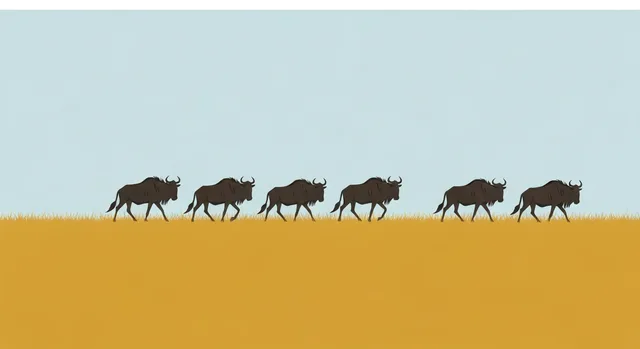
The fastest cat needs the openest country
Everything about a cheetah is a compromise in favour of speed. The slight, deep-chested frame, the long flexible spine, the semi-retractable claws that grip like running spikes, the dark tear-lines that cut the equatorial glare — all of it serves a single explosive sprint that can be over in a few hundred metres and a handful of seconds. That extreme specialisation is also the cheetah's vulnerability: it cannot fight off a lion, defend a kill from a clan of hyenas, or hide a litter of cubs for long. So the cheetah has staked everything on open ground and daylight, the one arena where its speed and eyesight give it an edge the bigger, stronger predators lack.
For the traveller, that means cheetahs are a cat you watch in the clear. Where a leopard offers a tail in a tree and a lion a long doze in the shade, a cheetah gives you the whole drama in the open: the upright scan from a termite mound or low kopje, the careful approach, the unbearable moment of stillness, and then the sprint, flowing across the grass with nothing in the way of your view. To find that, you go where the country is widest — and in the Serengeti, that means the southern and eastern plains.
At a glance
A quick orientation to where, when and how to find Serengeti cheetahs before the detail.
- Best country: open short-grass plains — the southern Ndutu grasslands and the remote eastern Serengeti.
- Best window: calving season on the south, peaking around February (verify your dates), and the dry months on short grass.
- Best hours: morning and late afternoon, when cheetahs hunt in the cooler, clearer light.
- Social life: solitary females; males often in coalitions of brothers holding a territory.
- Watch for: an upright scan from a high point, a low stalk, a sprint, then a tense feed before scavengers arrive.
- Ethics: keep real distance — never crowd a hunt or a mother with cubs, the most fragile of the great cats.
Where to find cheetahs
The southern short-grass plains around Ndutu are the classic cheetah ground, especially through calving and the wider green season when the grass is low and the herds are concentrated. Here the terrain is exactly what a cheetah needs — flat, open, almost treeless — and the same openness that lets the cat hunt lets you watch the whole sequence unfold. The remote eastern Serengeti is the other great cheetah country, vast and quiet and far from the busier central tracks; some of this ground was once closed to vehicles specifically to give the cats space to recover, and it remains some of the finest, least crowded cheetah-watching anywhere. A sighting out east often feels like yours alone.
Central Seronera holds cheetahs too, working the open ground between the woodlands, so you have a reasonable chance even on a more general central-park trip. But the specialist days come from committing to the open country. Because cheetahs range widely over these plains and do not hold the fixed, findable territories that lion prides do, local knowledge matters enormously: a guide who knows the resident coalitions and where a particular female has been raising cubs will transform your odds. As always, the spectacular set-pieces follow the prey, so check where the herds are likely to be for your exact dates before you fix on a sector.
- Southern Ndutu plains: prime through calving and the green season, when grass is low and prey concentrated.
- Eastern Serengeti: remote, quiet, exceptional cheetah country far from the crowds.
- Central Seronera: cheetahs work the open ground between woodlands — a fair chance on a general trip.
- Local knowledge: cheetahs range widely, so a guide who knows the coalitions is decisive.
How cheetahs hunt — and why it's daylight drama
A cheetah hunt is a study in patience followed by violence over in seconds. It begins with a scan, often from a termite mound, a low kopje or a rise that gives the cat a view across the grass. Having chosen a target — usually a Thomson's gazelle or a young wildebeest, prey it can actually run down — the cheetah lowers into a stalk, closing the distance with painstaking slowness, freezing whenever a head comes up. Then comes the sprint: an acceleration few animals on earth can match, a flat-out chase across open ground, a swipe at the prey's hindquarters to bring it down, and a suffocating bite. And then the most anxious part of all — the cat, exhausted and overheated, must catch its breath and feed fast before a lion or a clan of hyenas notices and moves in to rob it.
That last vulnerability is why cheetahs hunt by day at all. Lions and hyenas dominate the dark, so the cheetah has carved out the daylight hours when the bigger predators are resting — which is precisely why, almost uniquely among cats, you can watch a cheetah hunt in full sun. It is one of the great spectacles of the Serengeti, and it is also a reminder of how precarious this cat's existence is. A hunt disrupted, a kill stolen, a litter exposed: the margins are thin, which makes the etiquette of watching them all the more important.
- Sequence: scan from a high point, slow stalk, explosive sprint, a tense feed against the clock.
- Prey: gazelle and young wildebeest — animals a cheetah can realistically run down.
- Why daylight: cheetahs avoid the lions and hyenas that own the night, hunting in the cooler clear hours.
- The catch: exhausted after a sprint, a cheetah is easily robbed of its kill by bigger predators.
Cubs against the odds, and photographing the cheetah
Few wild animals raise young against steeper odds than a cheetah. A mother hides her tiny cubs in long grass and moves them between dens to dodge detection, hunting alone to feed them while leaving them undefended — and a great many cubs are lost to lions and hyenas in those first vulnerable weeks. The ones that survive trail their mother across the plains for many months, learning to stalk and chase through play, before the brothers in a litter often stay together as a coalition for life. To come upon a mother teaching half-grown cubs to hunt, or a knot of cubs play-stalking each other in the dawn light, is among the most affecting sightings the Serengeti offers — and one of the most sensitive to disturbance.
That sensitivity shapes how you photograph them, too. The open plains and clean light make cheetahs a photographer's dream — a cat standing tall on a mound against a vast sky, a sprint frozen mid-stride, cubs backlit in long grass — but the best images come from space and patience, not pressure. Keep real distance, let the cat choose its line, switch the engine off and wait. Crowding a hunting cheetah can cost it the meal it needed; crowding a mother can separate her from cubs. The most rewarding photographs, and the most ethical ones, are the same photographs: those made by a quiet vehicle that lets the cat behave as if it were not there.
- Cubs: hidden in grass, moved between dens, and heavily preyed on in their first weeks.
- Coalitions: brother cubs often stay together for life after leaving their mother.
- Photography: open ground and clean light make for superb images — from a respectful distance.
- Ethics: never crowd a hunt or a mother with cubs; space and patience make the best frames.

Related guides

Namiri Plains Guide
A guide to Namiri Plains in the eastern Serengeti — the open, kopje-dotted cheetah country east of Seronera, why it is one of Africa's great predator landscapes, how camps are positioned, and who should go east.
Read guide
Calving Season in the Serengeti (Ndutu)
Calving season on the southern Serengeti plains around Ndutu — when roughly half a million wildebeest are born in about three weeks, why it draws the densest predator action of the year, and how to plan a green-season safari around it.
Read guide
Serengeti Photography Safari
How to plan a photo-first Serengeti safari — the vehicle and private guide that make or break your images, the lenses and light to plan for, and the seasons that put predators and crossings in front of your lens.
Read guideMore in Big Cats
2
Leopards in the Serengeti
A guide to Serengeti leopards — the secretive masters of the riverine forest — where to search, why the Seronera Valley figs are so reliable, how to read the bush, and how to find a leopard without harassing it.
Read guide
Lions in the Serengeti
A guide to Serengeti lions — pride structure, the kopjes they hold as territory, how and when they hunt, the best sectors and seasons, and how to watch them ethically without scheduling a kill that no one can promise.
Read guide