
Seronera Airstrip: Flying Into the Central Serengeti
A full guide to Seronera Airstrip — the Serengeti's busiest, most year-round bush strip, the natural fly-in gateway for the central lodges and a first safari. How the light-aircraft hop from Arusha works, why it serves every season, and how to plan around it.

Photo: Audric Wonkam / Unsplash
- ✓Seronera is the Serengeti's principal airstrip — the busiest, most connected and most year-round of the park's bush strips, in the heart of the central core.
- ✓It is the natural fly-in choice for a first safari and for any trip built on resident wildlife: lions, leopards and cheetahs that live here all year, whatever the migration is doing elsewhere.
- ✓Flying into Seronera collapses the long overland haul from Arusha into a short scenic hop, landing you within game-drive reach of the central lodges and camps.
- ✓Because it is the most connected strip, Seronera is the usual pivot point when an itinerary combines sectors — fly in here, then hop on to the north or south by light aircraft.
- ✓Keep flight times, fares and park-fee figures to your operator and official TANAPA sources — these change, so this page stays evergreen and points you to verify.
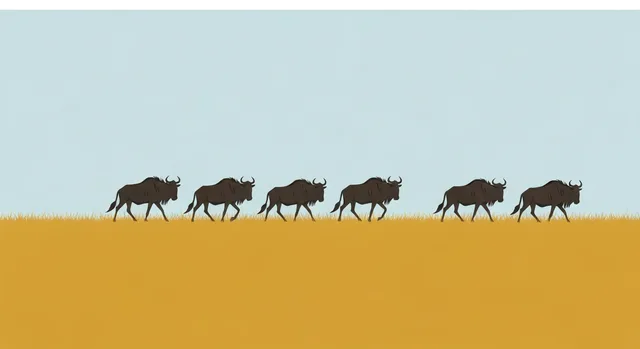
The heart of the park, by air
Seronera lies in the geographic and spiritual heart of the Serengeti — the central valley of slow rivers, dark granite kopjes and riverine fig trees that holds the park's densest resident big-cat population. It is the country most people picture when they imagine the Serengeti, and its airstrip is the busiest and best-connected in the ecosystem. If you are flying into the park for the first time, there is a very good chance you will land here, step off a small plane into the warm plains air, and be on a game drive within the hour.
What sets Seronera apart from the park's other strips is reliability across the calendar. The northern strips matter most in the dry-season crossing window; the southern strips matter most in the calving season; but Seronera works in every month, because the wildlife that makes the central park famous does not migrate. Lions on the kopjes, leopards draped in the fig trees, cheetahs on the open ground — these are residents, and they are here whether or not the great herds are passing through. That year-round dependability is exactly why Seronera is the strip first-time visitors and resident-wildlife seekers reach for.
At a glance: Seronera Airstrip
A quick orientation before the detail. Everything here is evergreen — confirm current flight schedules, park fees and camp specifics with your operator and official Tanzania National Parks (TANAPA) sources close to travel.
- Where: the central Serengeti, in the Seronera valley — the park's core country of rivers and kopjes.
- Role: the principal and busiest air gateway, serving the broad cluster of central lodges and camps.
- Best for: a first safari, resident big-cat trips, and any itinerary anchored on the central park.
- Best months: effectively year-round — the central wildlife is resident and does not migrate.
- Getting there: a light-aircraft hop from Arusha or Kilimanjaro, often on a scheduled circuit touching other strips.
- Baggage: soft duffel bags only, with firm weight limits — pack light and leave hard cases behind.
- Note: the most connected strip, so a common pivot point for trips that combine sectors.
How the light-aircraft hop works
Fly-in safaris to the Serengeti run on small turboprop aircraft along scheduled bush circuits, and a flight to Seronera is one of the most heavily served legs in the whole network. You will typically board at Arusha — reached in turn via Kilimanjaro International Airport — and because Seronera is so central, it is often an early stop on the circuit rather than the last, so your plane may touch down at one or two other strips before or after yours. The flight itself is part of the pleasure: the plains and rivers unspool beneath you, and a road day that would have run to many hours becomes a scenic hop measured in a fraction of that.
Because these are scheduled light-aircraft services, the realities of small-plane travel apply in full. Baggage is restricted to soft duffel bags so they can be stowed in the aircraft's tight holds, and weight limits are firm and enforced — a safety matter, not a suggestion. Departure and arrival times can shift with demand, loads and weather, so transfer days need a little built-in flexibility, and you should confirm timings with your operator close to travel. On a guided fly-in trip a vehicle and guide meet your plane at the Seronera strip, and you are usually game-driving within minutes — which is the whole point of flying in.
Why Seronera works in every season
The single strongest argument for Seronera is that it never goes quiet. Where the north and south of the park swing dramatically with the migration — superb when the herds are present, much emptier when they have moved on — the central core holds its wildlife all year. The Seronera valley's permanent water and rich habitat support a resident population of lions, the Serengeti's celebrated tree-draped leopards, and cheetahs on the open plains nearby. For a traveller whose dates are fixed by work or school rather than by the herds, that reliability is priceless: whenever you can come, the central park delivers.
It is also the strip that best suits a first safari. A first-time visitor often wants the broadest, most dependable game viewing rather than a single seasonal spectacle, and Seronera's year-round big cats and supporting cast of elephant, giraffe, buffalo, hippo and plains game provide exactly that. And when the migration does pass through the centre — broadly in its movements between the southern calving grounds and the northern crossings — Seronera puts you close to the herds as well. As always, treat any migration timing as a 30-year average and verify the likely picture for your exact dates; the residents, though, need no such caveat.
- Year-round residents: lions on the kopjes, leopards in the riverine figs, cheetahs on the open plains.
- Best all-rounder for a first safari, when broad and dependable viewing matters more than one spectacle.
- Catches the migration too, in its passages through the centre — verify timing for your dates.
- The trade-off: the central park is the busiest sector, with more vehicles than the remote north or south.
The central lodges Seronera serves
Seronera is the door to the largest concentration of accommodation in the park. The central sector holds everything from larger permanent lodges to classic tented camps and small, intimate properties, spread across the valley and the kopjes around it. Because the strip is so central and so well served, most of these camps are an easy transfer from it — your guide collects you at the airstrip and you are at camp, or out on a drive, in short order. This density of choice is part of why the central park suits first safaris and families: there is a bed for every budget and style within reach of one reliable strip.
That said, the central park's popularity is also its main trade-off. More camps and more vehicles mean the core sector can feel busier than the remote north or south, particularly around the most famous sightings. Travellers who prize solitude often use Seronera as a base for part of a trip — for the resident big cats and an easy first few days — and then fly on to a quieter sector for the rest. The strip's connectivity makes exactly that kind of multi-sector itinerary straightforward to build.
Seronera as a hub for combining sectors
Because it is the most connected strip in the park, Seronera is the natural pivot for any trip that wants to see more than one sector. A common and satisfying shape is to anchor the first part of a safari in the central park — landing at Seronera for the resident big cats and an unhurried start — and then hop north by light aircraft to Kogatende for the dry-season Mara crossings, or south to Ndutu for the calving season. The same air network that brings you in can carry you onward, so combining sectors is a matter of scheduling rather than long, punishing drives.
This hub role also makes Seronera a sensible fail-safe when the migration's exact position is uncertain. The herds move with the rains, not a calendar, so a central base keeps you within reach of resident wildlife no matter what, while leaving the option open to fly to wherever the great herds turn out to be. For travellers building a longer or more ambitious itinerary, talk to your operator about routing the light-aircraft legs so the flights follow the migration rather than fight it — and keep all schedules and fares to official sources, since they change.
Planning a Seronera fly-in trip
A trip built around Seronera follows a clear and forgiving logic. Because the central park is good year-round, you have more freedom over dates than a north- or south-focused trip — pick the window that suits you, then book your central camp early, especially if you are travelling in the busy dry season when the whole park is in demand. Aim for at least a few nights to do the sector justice; the central valley rewards an unhurried stay, with leopards and lions that take patience to find well. Then arrange the flights: a light-aircraft leg into Seronera from Arusha or Kilimanjaro, with soft luggage only for the small planes, and a little flexibility built into your transfer days.
From there, fold the central park into a wider journey. Many travellers pair Seronera with a second sector — north for the crossings or south for calving, depending on the season — and add Ngorongoro and Tarangire on the way in from Arusha, finishing on the beaches of Zanzibar, all stitched together by the same light-aircraft network. Keep park-fee and conservation-levy details to official sources, verify the herds' likely position for your exact dates close to travel, and let your operator weigh the flight routing. The discipline is simple: secure the right central camp, give yourself time, fly in, and let the rest of the circuit fall into place around the heart of the park.
Common questions about Seronera Airstrip
Where is Seronera Airstrip? In the central Serengeti, in the Seronera valley — the park's core country of rivers and kopjes, and the busiest, most connected of its bush strips.
When should I fly into Seronera? Any time of year. The central park's lions, leopards and cheetahs are resident and do not migrate, so Seronera works in every month — which makes it the natural choice when your dates are fixed.
How do I get to Seronera Airstrip? By light aircraft from Arusha or Kilimanjaro, usually on a scheduled bush circuit that may touch other strips on the way; a guide meets your plane on arrival.
Is Seronera good for a first safari? Yes — it is the usual first-timer's choice, offering broad, dependable, year-round game viewing rather than relying on a single seasonal spectacle.
Can I combine Seronera with other sectors? Yes. As the most connected strip, Seronera is the natural pivot for hopping north to Kogatende for the crossings or south to Ndutu for calving by light aircraft.
What can I bring on the flight? Soft duffel bags only, within firm weight limits set by the light-aircraft operator. Confirm the current allowance with your operator before you travel.

Related guides

Central Serengeti Lodges
Where to stay in central Seronera — the Serengeti's year-round heart — for reliable big cats, an easy first safari, the best airstrip access and the widest range of lodges and tented camps in the park.
Read guide
Seronera & Central Serengeti
Seronera is the year-round big-cat heart of the Serengeti — a valley of rivers, granite kopjes and riverine figs where lions, leopards and cheetahs hold ground in every season. A full guide to what central Serengeti offers, its lodge and airstrip access, the crowd trade-off and how to plan a stay.
Read guide
Serengeti Lodges Near the Airstrips
How to choose a Serengeti camp by its airstrip — Seronera in the centre, Kogatende in the north, Grumeti in the west and Ndutu in the south — so a fly-in safari lands you close to your bed and the day's game viewing, not a long transfer away.
Read guideMore in Getting There
6
Accessible Serengeti Safari Planning
How to plan an accessible Serengeti safari — adapted vehicles and transfers, level camps and bathrooms, airstrip and fly-in considerations, medical support and evacuation, and why a private, tailored trip is usually the key to travelling well with mobility or other needs.
Read guide
Arusha to the Serengeti
How to get from Arusha to the Serengeti — the overland drive through Ngorongoro, the light-aircraft fly-in, and the overnight-routing options — with the time, comfort and cost trade-offs of each.
Read guide
Bush Flight Luggage Rules for the Serengeti
How luggage works on a Serengeti safari — the strict soft-bag and weight rules for light bush aircraft, what counts toward your allowance, how to pack camera gear, and how the same bags ride in a safari vehicle.
Read guide
Driving to the Serengeti: Roads, Timing and the Long-Haul Reality
What driving to the Serengeti is really like — the road route from Arusha through Ngorongoro, gate timing, road conditions in the dry and the rains, vehicle choice, and why nearly everyone travels with an operator rather than self-driving.
Read guide
Drone Rules in the Serengeti: Why They're Restricted and What to Do Instead
Why drones are restricted in the Serengeti, why general visitors should not assume they can fly one, what a permit would realistically involve, and the better ways to capture sweeping aerial-style images of the plains — from a balloon flight to a long lens.
Read guide
Food & Drink on a Serengeti Safari
What eating and drinking on a Serengeti safari is really like — camp meals from budget to ultra-luxury, bush breakfasts and picnic lunches, sundowners and the bar, drinking water, and how camps handle dietary needs, allergies and children.
Read guide