
Kogatende: Gateway to the Mara Crossings
A guide to Kogatende — the airstrip, the camps and the Mara River access that make it the key base for crossing-season safaris in the Northern Serengeti. Why this is where most northern trips begin, and how to plan around it.

Photo: Denice Alex / Unsplash
- ✓Kogatende is the practical hub of the Northern Serengeti — its main airstrip, its largest cluster of camps, and its most accessible Mara River bank.
- ✓It sits just south of the Mara River, putting it within reach of the crossing points that draw travellers to the north.
- ✓Best from roughly July to October, when the herds reach the river — treat this as a 30-year average and verify for your exact dates.
- ✓Most northern trips fly in to the Kogatende airstrip rather than enduring the long overland drive.
- ✓Camps here are limited and the best book out a year or more ahead in peak crossing season.
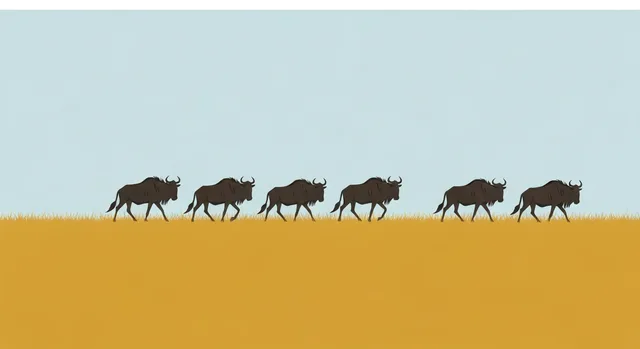
The hub of the crossing country
If the Northern Serengeti is the stage for the Mara River crossings, Kogatende is the door you walk through to reach it. This is the practical heart of the north: the location of the main airstrip, the densest cluster of the region's camps, and some of the most accessible stretches of the Mara River bank for watching the herds cross. When travellers talk about basing themselves in the north for the migration, Kogatende is very often what they mean.
Sitting just south of the Mara River, Kogatende balances access and atmosphere. It is remote enough to feel a world away from the busy central park, yet served well enough by air and camps to make a crossing-season trip practical. The country here is the classic Northern Serengeti — rolling golden hills, wooded river lines, granite outcrops — and in the dry season it fills with the tension and drama of the migration at the water.
At a glance
A quick orientation before the detail. Keep park-fee, flight and camp figures to official sources and your operator — they change, and this page stays evergreen.
- Where: the Northern Serengeti, just south of the Mara River, near the Kenyan border.
- Role: the north's main air gateway and its largest camp cluster.
- Best for: Mara River crossings and a practical, well-served base in remote country.
- Best months (30-year average): roughly July to October, peaking around August — verify for your exact dates.
- Getting there: light-aircraft hop to the Kogatende airstrip from Arusha, Kilimanjaro or elsewhere on the circuit.
- Booking: scarce, in-demand beds sell out a year or more ahead in peak season.
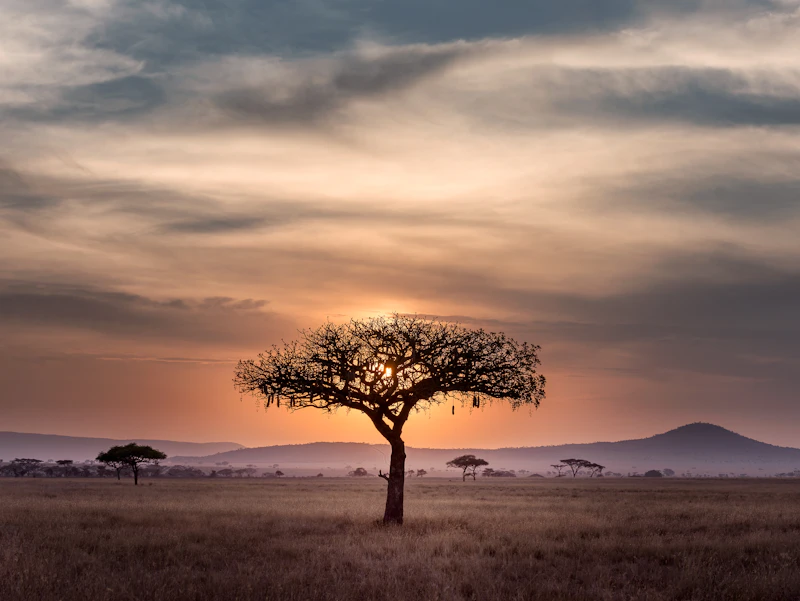
The Kogatende airstrip
The airstrip is the reason Kogatende functions as the north's hub. Reaching the far north by road is a long undertaking — many hours over rough tracks from Arusha or even from central Seronera — so the great majority of travellers fly in. Light aircraft connect Arusha, Kilimanjaro and other points on the safari circuit to the Kogatende airstrip, landing you within reach of your camp and the day's game drives, and buying back the precious hours the road would consume.
Flying in also makes a shorter northern trip practical, which is why fly-in itineraries dominate the region. Bear in mind the realities of small-plane travel: strict baggage rules mean soft duffel bags only, with firm weight limits, so pack light and leave hard cases behind. Schedules on these light-aircraft circuits can shift with demand and weather, so build a little flexibility into transfer days and confirm details with your operator close to travel.
Mara River access
Kogatende's defining asset is its access to the Mara River. Lying just south of the river, the area puts you within game-drive reach of crossing points along the bank, which is exactly why it is the base of choice in crossing season. The river here is broad, muddy and unpredictable, and the herds shuttle back and forth across it through the dry months, so a base near Kogatende keeps you positioned for the action as the wildebeest move.
Crossing points shift from year to year as the banks erode and the herds find new lines, so even at Kogatende a guide who knows the current crossing zones and reads the herds' mood is essential. And the same honest caveat applies as everywhere in the north: crossings cannot be scheduled or guaranteed. The way to weight the odds is to base yourself here for several nights during the window, travel with a patient guide, and treat the building tension on the bank as a spectacle in itself while a full crossing remains a hoped-for bonus.
Kogatende and the Lamai Wedge
It helps to understand how Kogatende sits within the wider north. The Mara River is the dividing line of the crossing country, and Kogatende lies on its southern side, holding the airstrip and the main camp cluster. Directly across the river, pressed against the Kenyan border, is the Lamai Wedge — a high, rolling triangle of beautiful country that is quieter still, with a handful of camps for travellers seeking even more solitude. The herds move back and forth between the two as they cross and re-cross the river through the season.
For planning, that means a base at Kogatende and a base in Lamai both put you in the crossing game, just from different sides of the river. Which is better for your trip depends on where the herds are expected to favour during your dates, and your operator can advise on the likely balance. Kogatende's advantage is access and the breadth of camp choice; Lamai's is the deeper sense of remoteness. Many of the most experienced northern guides work fluidly across both, following the herds rather than the administrative line.
When to come to Kogatende
Kogatende is a dry-season base. The herds typically reach the Mara River from about July, crossings peak around August, and the action continues into September and often October before the short rains pull the herds back south. That window is when Kogatende comes alive; outside it, the area is quieter, with resident wildlife and scenery but few of the great herds.
As always, this is a 30-year average rather than a schedule — the migration follows the rain, and the timing can swing by a couple of weeks in either direction. Come too early and the herds are usually still south and west; come too late and they have generally moved on. Verify the herds' likely position for your exact dates with your operator close to travel, and remember that demand at Kogatende peaks with the crossings, so the well-placed camps sell out furthest ahead.
- July: herds usually arrive; first crossings begin in most years.
- August: peak crossing season and peak demand at Kogatende.
- September–October: crossings continue as the herds shuttle across the border.
- Outside the window: quieter country with resident wildlife and scenery.

Where to stay around Kogatende
Kogatende holds the largest cluster of camps in the Northern Serengeti, a mix of mobile or seasonal camps that set up for the crossing season near the river and a small number of more permanent camps. Mobile camps are the classic crossing-season choice precisely because they can sit close to the river and pack down when the herds move on, putting you as near the action as possible. Across the river, the quieter Lamai Wedge offers further options for travellers who want even more solitude.
The decisive rule here, as throughout the north, is placement over photographs. Because the herds move back and forth across the Mara, you want a camp positioned for where the wildebeest are expected during your dates, on the side of the river they are likely to favour. Confirm this with your operator before booking, and book early — the well-placed camps around Kogatende in peak crossing season are among the first things to sell out anywhere in Tanzania.
Planning a Kogatende-based trip
A trip built around Kogatende follows a clear logic. Fix your northern nights first, in the dry-season crossing window, and book them as far ahead as you can manage, because the well-placed camps here are among the first to sell out in Tanzania. Aim for several nights rather than a single rushed visit — three or more dramatically improves your odds at the river, and the extra nights are rarely wasted given the scenery and resident wildlife. Then arrange the flights: a light-aircraft leg to the Kogatende airstrip from Arusha, Kilimanjaro or another point on your circuit, with soft luggage only for the small planes.
From there, build the rest of the trip around the northern centrepiece. Many travellers pair Kogatende with a few nights in central Seronera earlier in the journey for resident big cats, add Ngorongoro and Tarangire on the way in from Arusha, and finish on the beaches of Zanzibar. Keep park-fee and conservation-levy details to official sources, since they change, and verify the herds' likely position for your exact dates close to travel. The discipline of planning a Kogatende trip is simply this: secure the right nights early, give yourself time, fly in, and let the supporting parks fall into place around the river.
Beyond the river: the wider experience
Kogatende is built around the crossings, but a trip here is more than river-watching. The surrounding Northern Serengeti is some of the most beautiful country in the park — rolling golden hills, granite kopjes, wooded valleys — and the lower vehicle density means every sighting feels unhurried and every horizon feels your own. Resident wildlife is excellent year-round: lions on the ridges, leopards in the riverine thickets, cheetahs on the open ground, and good numbers of elephant and giraffe moving through the hills.
That breadth matters because it shapes expectations. Even if the river stays quiet during your nights — and it can, in any season — Kogatende rewards you with scenery, space and resident game that many travellers rank among the best in the Serengeti. The wise approach is to come for the crossings, plan to stay close and stay several nights, but treat the whole northern experience as the reward and a full crossing as the hoped-for bonus on top.

Common questions about Kogatende
What is Kogatende? It is the practical hub of the Northern Serengeti — the location of the north's main airstrip, its largest cluster of camps, and accessible Mara River bank for watching crossings.
When should I visit Kogatende? Roughly July to October, peaking around August, when the herds reach the Mara River — but treat this as a 30-year average and verify for your exact dates.
How do I get to Kogatende? Most travellers fly in to the Kogatende airstrip by light aircraft; the overland drive from Arusha or central Seronera is long.
Are crossings guaranteed at Kogatende? No. Crossings depend on weather, grazing and the herds' nerve, and cannot be scheduled. Several nights and a patient guide give you the best odds.
How far ahead should I book? As far as you can. The well-placed camps around Kogatende in peak crossing season book out a year or more in advance.

Related guides

Kogatende Airstrip: Flying Into the Northern Serengeti
A full guide to Kogatende Airstrip — the fly-in gateway to the Northern Serengeti and the Mara River crossings. Why flying is the practical way to reach the crossing country, how the light-aircraft hop from Arusha works, and how to plan around the dry-season window.
Read guide
Northern Serengeti & Kogatende Guide
The complete guide to the Northern Serengeti — the Mara River, Kogatende, Lamai and the remote crossing country worth the flight. Dry-season migration timing, quieter game drives, where to stay, and how to plan a trip around the river.
Read guide
The Migration in the Northern Serengeti
How the Great Migration plays out in the Northern Serengeti — dry-season timing, Mara River strategy, the Kogatende camps, and why staying close to the river for several nights matters more than anything else.
Read guideMore in Northern Serengeti
2
Lamai Serengeti Guide
A guide to the Lamai wedge in the far northern Serengeti — the triangle of rock-strewn hills between the Mara River and the Kenyan border, its remote crossing-season camps, and how to plan a trip to the quietest corner of the park.
Read guide
Lobo Serengeti Guide
A guide to the Lobo area of the northern-central Serengeti — its hills, woodlands and granite kopjes, the return-migration possibilities that make it a strategic October–November base, and how Lobo fits a northern itinerary.
Read guide