
Migration or Big Cats: What to Prioritise
How to decide whether your Serengeti safari should chase the migration herds, the predators that follow them, the park's resident big cats, or a lower-crowd camp strategy.

Photo: Mike Holford / Unsplash
- ✓The honest answer for most first-timers: you can have both, but one should lead — and which one decides your month, your sector and your camp.
- ✓Chase the migration and you are booking around the herds' movement, which means accepting the herds set the schedule and the crowds.
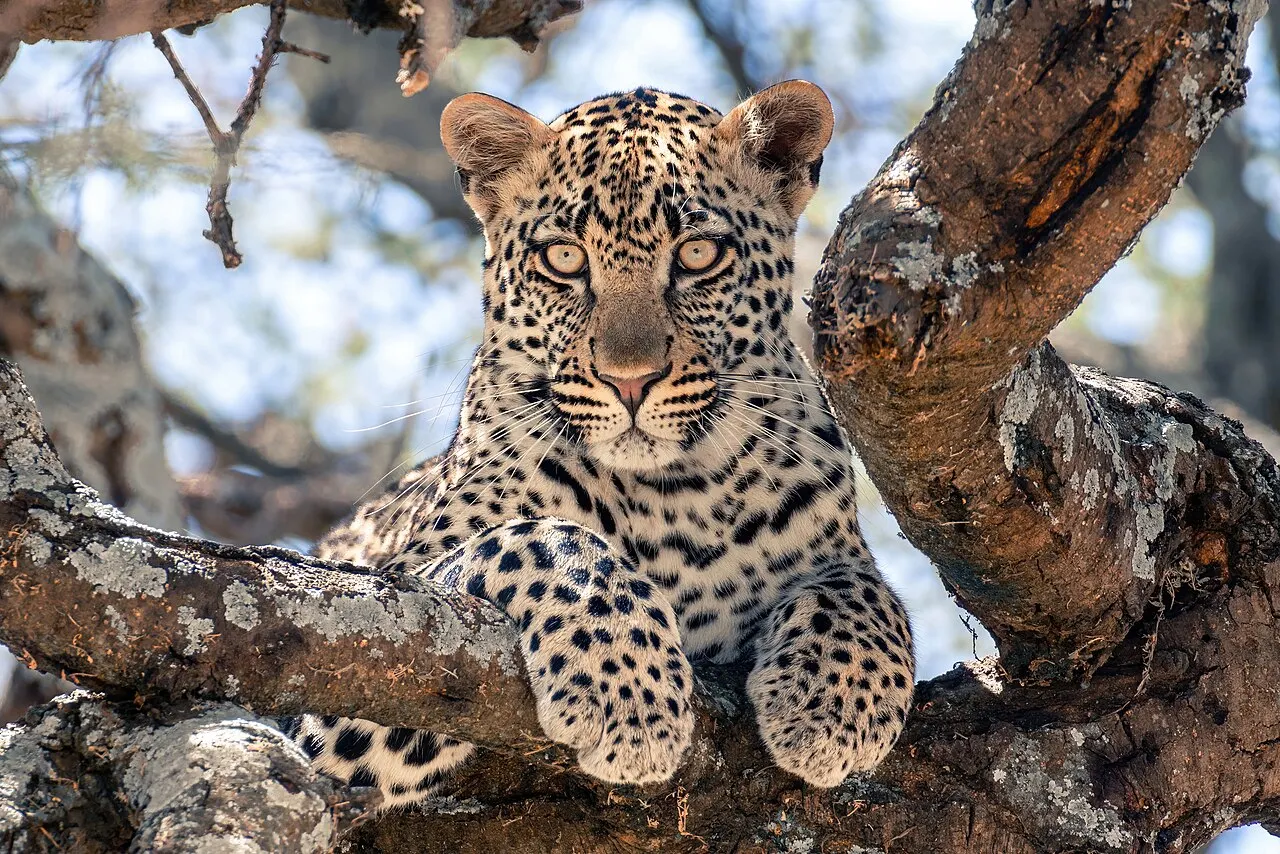
- ✓Chase big cats and central Seronera becomes your anchor — its resident lions, leopards and cheetahs are reliable in every month of the year.
- ✓Calving season in the south is the rare window where both goals overlap: huge herds plus the densest predator action of the year.
- ✓Treat all migration timing as a 30-year average and verify herd position for your exact dates — the herds follow the rains, not a calendar.
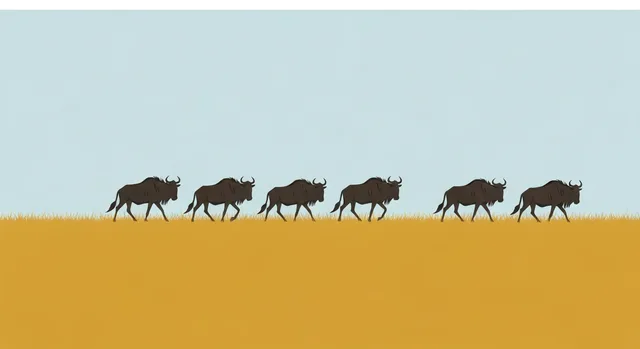
Should I plan my safari around the migration or the big cats?
Start by being honest about your dream image. If it is a river crossing — wildebeest pouring into crocodile-dark water — or the sheer spectacle of a million animals on the move, the migration should lead. If it is intimate time with predators — a leopard in a fig tree, a lioness with cubs, a cheetah scanning the plain — then big cats should lead. Both are extraordinary, but they pull your plan in different directions, so pick the one you would be heartbroken to miss.
The good news is that this is rarely all-or-nothing. The Serengeti is one place, and a well-built trip can serve a primary goal while still delivering the other. The point of choosing is simply to make sure your month, sector and camp are optimised for the thing you care about most, rather than compromised for both.
What does prioritising the migration actually mean?
Prioritising the migration means letting the herds set your itinerary. Your dates dictate your sector: calving in the south around February, the western Grumeti country through the middle of the year, and the Mara crossings in the far north at their peak around August. You book a camp placed for where the herds will be on your exact dates, often a mobile or seasonal camp that moves with them, and you accept the trade-offs — peak-season crowds in the north, premium rates and the fact that no ethical operator can guarantee a crossing on any given day.
The reward is the spectacle that draws people to Tanzania in the first place. To weight the odds in your favour, give yourself several nights in the right sector rather than a single rushed day, and travel with a guide who reads the herds daily. And remember the timing is an average — verify the likely position for your dates before booking anything.
What does prioritising big cats actually mean?
Prioritising predators means anchoring in central Seronera. Its rivers, kopjes and riverine fig trees hold one of the densest big-cat populations in Africa, and crucially the cats are resident — they do not migrate, so the viewing stays strong in every month. Lions are widespread and often easy to find, Seronera is famous for leopards draped in its figs, and cheetahs favour the nearby open plains. A big-cat-led trip can ignore the migration calendar almost entirely and still deliver world-class predator sightings.
This approach also tends to be calmer and more flexible. You are not chasing a moving target or competing with crossing crowds, so you can travel in quieter, better-value months and still come home with the cat photographs of your life. Wildlife is wild and nothing is guaranteed, but for reliable predator viewing, Seronera is the surest bet the park offers.
Is there a time when I can have both?
Yes — calving season is the sweet spot. Around February, the herds gather on the southern Ndutu plains to give birth, and the concentration of vulnerable newborns draws lions, cheetahs and hyenas in for the most intense predator action of the year. The plains are open and treeless, so hunts play out in full view. For these few weeks, the migration spectacle and the big-cat drama are the same scene, on the same plain.
If your dates do not align with calving, the next best 'both' strategy is a two-sector trip: a few nights in central Seronera for guaranteed-feeling cats, then a few nights in whichever sector the herds occupy for your dates. It costs more time and budget, but it is the most complete way to see the park.

How does crowd-avoidance fit into the decision?
Crowds are the quiet third factor. The migration's headline moments — especially the northern crossings around August — draw the most vehicles and the highest rates of the year. If sharing a sighting with a line of other cars would spoil it for you, that pushes you towards either the shoulder and green-season months or a big-cat-led trip in central Seronera, where you can find solitude even in busier seasons.
A camp strategy can soften the crowds either way: choosing a smaller, well-placed camp, travelling in quieter months, or building in private-vehicle time all buy space. The decision tree, in short, is: pick your hero moment, let it choose your month and sector, then use camp and timing choices to manage crowds and budget. Whatever you decide, verify herd position, conditions and current costs for your exact dates before you commit — the Serengeti rewards travellers who plan around the moving ecosystem rather than a fixed calendar.

Related guides

Lions in the Serengeti
A guide to Serengeti lions — pride structure, the kopjes they hold as territory, how and when they hunt, the best sectors and seasons, and how to watch them ethically without scheduling a kill that no one can promise.
Read guide
The Great Migration in the Serengeti
How the Great Migration actually works — the year-round clockwise loop through the Serengeti–Mara ecosystem, why the rains run the show, where the herds usually move month to month, and how to plan a safari around it without pretending nature is on a timetable.
Read guide
Seronera & Central Serengeti
Seronera is the year-round big-cat heart of the Serengeti — a valley of rivers, granite kopjes and riverine figs where lions, leopards and cheetahs hold ground in every season. A full guide to what central Serengeti offers, its lodge and airstrip access, the crowd trade-off and how to plan a stay.
Read guideMore in When to Go
6
Best Months for Serengeti Photography
Which Serengeti months deliver the photographs you want — dramatic light and dust, emerald plains, newborns, river crossings, big cats and fewer vehicles in your frame.
Read guide
Calving Season in the Serengeti
Calving season on the southern Serengeti plains around Ndutu — when roughly half a million wildebeest are born in about three weeks, why it draws the densest predator action of the year, and how to plan a green-season safari around it.
Read guide
Calving Season in the Serengeti (Ndutu)
Calving season on the southern Serengeti plains around Ndutu — when roughly half a million wildebeest are born in about three weeks, why it draws the densest predator action of the year, and how to plan a green-season safari around it.
Read guide
Calving Season vs River Crossings
Two faces of the Great Migration: the southern Ndutu calving in the green months, and the northern Mara crossings in the dry. Decide between them by wildlife, budget, crowds, predictability and the kind of drama you want.
Read guide
Christmas & New Year in the Serengeti
How to plan a Christmas or New Year safari in the Serengeti — green December plains, gathering herds, premium festive camps, family-friendly logistics and the flights that make a holiday trip work. Romantic, festive and worth booking early.
Read guide
Great Migration Planning Mistakes
The planning mistakes that make travellers miss the herds, overspend, or book the wrong Serengeti sector — and how to avoid each one so your dates, your camp and the migration actually line up.
Read guide