
Serengeti Weather & Rainfall Guide
How Serengeti weather works through the year — the long and short rains, the dry season, dust, daytime heat and chilly dawns — and how rainfall shapes the migration, the roads and what you pack.

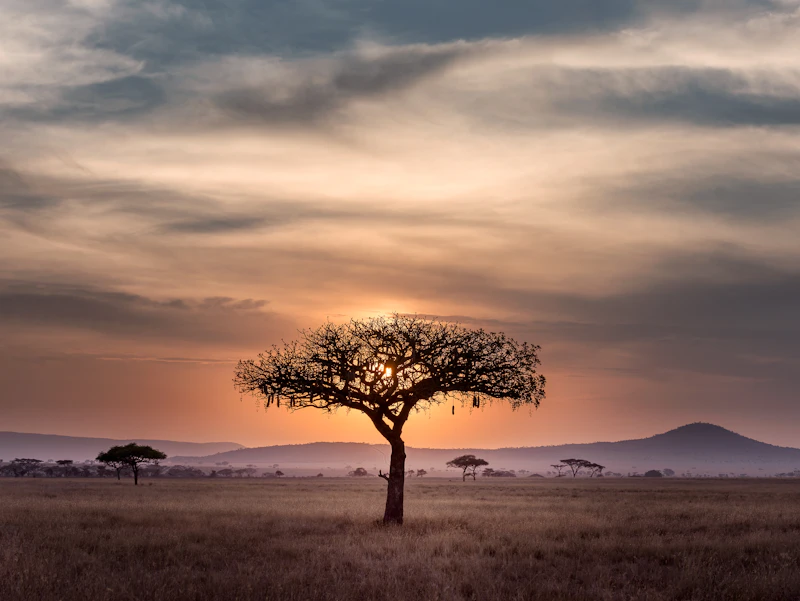
Photo: Hana El Zohiry / Unsplash
- ✓The Serengeti has two rainy spells — the short rains around November, and the long rains of roughly March to May — split by dry stretches.
- ✓The long dry season, about June to October, brings clear skies, thinning bush and the easiest game viewing of the year.
- ✓Rain drives the migration: the herds follow new grass, so weather timing and herd timing are the same story.
- ✓Days are warm to hot near the equator, but the high-altitude plains make dawn and night genuinely cold — pack layers.
- ✓Treat any rainfall timing as a 30-year average; an early or late season is normal, so verify current conditions before you travel.
Two seasons, told by rain
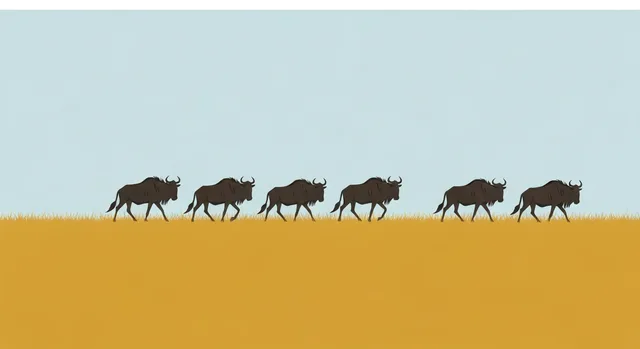
The Serengeti sits just south of the equator on a high plateau, and its year is written not in temperature but in rainfall. There are two wet spells and two dry ones. The short rains arrive around November, brief afternoon storms that green the plains and pull the migration back toward the south. A drier interlude often follows around late December into February. Then come the long rains, roughly March through May, the wettest and most dramatic stretch of the year. Finally the long dry season settles in from about June to October — clear, cloudless and cool-aired, the classic safari window.
These are long-run averages, not a fixed timetable. An early or late onset of the rains is entirely normal and shifts everything downstream, including where the herds are. The useful mental model is simple: when you read the weather, you are also reading the migration, because the wildebeest go where the rain has just been.
The long dry season (about June–October)
This is what most people picture when they imagine a Serengeti safari: cloudless skies, golden grass, dust hanging in the late light, and wildlife drawn to shrinking water. With the bush thinned out and animals concentrated, game viewing is at its easiest and most reliable. It is also the window of the Mara River crossings in the far north, which peak around August. Unsurprisingly, it is the busiest and priciest stretch of the year, and northern camps book out furthest ahead.
Expect dust — on the tracks, on your kit, on everything — and a deepening dryness as the season runs on. Days are warm and pleasant rather than punishing, but the high altitude means clear nights radiate their heat away fast, so dawn game drives can be surprisingly cold. The dry-season trade-off is comfort and reliable viewing in exchange for crowds and premium rates.
- Skies: mostly clear; little to no rain.
- Wildlife: concentrated around water, easiest viewing of the year; Mara crossings in the north peak around August.
- Crowds and cost: highest of the year, especially in the north.
- Comfort note: warm days, dusty tracks, genuinely cold dawns.

The short rains (around November)
The short rains are usually exactly that — short, scattered afternoon storms that pass quickly and rarely derail a day. Their effect on the landscape is immediate and lovely: the dust settles, the plains flush green, and the migration responds by turning back toward the southern short-grass plains in anticipation of calving. Many travellers find this an underrated window, with renewed greenery, fresher light and fewer vehicles than the peak dry months.
The catch is unpredictability. The short rains can arrive early or late, be heavier or lighter than average, and the herds move on their own schedule in response. If you travel in November, build in flexibility and verify current conditions and herd position rather than banking on the calendar.
The long rains (about March–May)
The long rains are the green low season, and they flip every dry-season assumption. The plains turn emerald, the light is cinematic, the birdlife is spectacular, and the crowds and rates both drop. April and May are typically the wettest months, with heavier and more sustained rain than November — sometimes a proper downpour rather than a passing storm. Some tracks become heavy going or temporarily impassable, and a few camps close for the season.
The reward is a quieter, cheaper, more dramatic Serengeti, with the herds moving west and north-west through the Grumeti country as the season progresses. The trade-off is real weather: pack for rain and mud, expect the occasional washed-out afternoon, and choose a sector and camp that stay accessible. For travellers who value atmosphere and value over crowds and certainty, the green season is a well-kept secret.
- April–May: typically the wettest stretch; lush, dramatic and quiet.
- Roads: some tracks heavy or impassable after rain; a few camps close.
- Upside: lower rates, fewer vehicles, superb light and birding.

At a glance: the Serengeti weather year
A compact read on the year's rhythm. Every window below is a long-run average — an early or late season is normal and shifts the herds with it — so use this to plan, then verify current conditions close to your dates.
- June–October · long dry season · clear skies, dust, cold dawns · easiest viewing, Mara crossings peak around August · busiest and priciest.
- November · short rains · brief afternoon storms, plains green up · herds turn south · underrated, quieter shoulder.
- Late December–February · drier interlude, building heat · calving on the southern plains around February · open ground, dense predators.
- March–May · long rains (wettest, esp. April–May) · lush and dramatic, heavier roads, some camps close · quietest and best value.
- Whatever the month · warm-to-hot days, genuinely cold dawns and nights at altitude · pack layers.
Weather, roads and dust through the year
Beyond rainfall and the herds, the weather changes the practical texture of a safari. In the dry season the tracks are firm and the whole park opens up, but the trade-off is dust — fine and pervasive, coating kit and hanging gold in the afternoon light. A dust-proof bag for cameras and a buff or scarf for the open vehicle make a real difference. As the dry season deepens toward October, water concentrates and so does wildlife, but the landscape is at its most parched.
In the long rains the picture inverts. Black-cotton soils turn greasy, some tracks become heavy going or temporarily impassable, and transfers can take longer than the map suggests. This is not a reason to avoid the green season — the rewards in light, solitude and value are real — but it is a reason to choose sectors and camps that stay accessible, to build slack into travel days, and to lean on a guide who knows which routes hold up after rain.
- Dry season: firm tracks, full access, but persistent dust — protect cameras and cover up.
- Long rains: greasy soils, some tracks impassable, longer transfers — plan for slack.
- Shoulder months: usually the easiest balance of access, greenery and fewer crowds.

Temperature, altitude and the cold you didn't expect
Because the Serengeti is equatorial, the calendar matters less for temperature than altitude does. The plains sit high, so while daytime temperatures are warm to hot, the air cools fast once the sun drops. Pre-dawn starts for game drives, the wind in an open vehicle, and clear high-altitude nights combine to make early mornings genuinely cold — a surprise to travellers who packed only for the heat. By mid-morning you will be peeling layers off again.
The practical answer is layering: something warm and windproof for dawn drives, light and breathable clothing for the middle of the day, and a fleece or jacket for the evening chill. Balloon safaris, which launch before sunrise, are especially cold at altitude. This is the single most common packing mistake travellers make in the Serengeti.

Rain, grass and why the herds chase the weather
To understand the migration you have to understand the rain that drives it. Wildebeest are grazers with a single overriding need: fresh, short, nutrient-rich grass. Rain triggers that flush of new growth, and the herds follow it with almost meteorological sensitivity, often moving toward distant storms they seem to sense before any human can. This is why migration timing and weather timing are not two stories but one. When the southern short-grass plains green up under the rains, fed by mineral-rich volcanic ash from the Ngorongoro highlands, the herds gather there to calve. As those plains dry, the herds drift toward greener country, and so the loop turns.
The practical takeaway is that an unusual season produces an unusual migration. A late onset of the rains can hold the herds in one sector longer than the calendar predicts; an early or heavy season can pull them on ahead of schedule. No chart can capture that in advance, which is exactly why every responsible timing guide — including this one — asks you to verify current conditions and herd position close to your travel dates rather than trusting a date booked a year out.
What the weather means for game viewing
Weather does not only move the herds — it changes how easily you see everything else. In the long dry season the bush thins and grass shortens, so resident wildlife has fewer places to hide and gathers around shrinking water sources; this is the easiest, most reliable game viewing of the year, and the open ground is a gift for spotting cats. The flip side is harsh midday light and heat haze, which is why the best dry-season sightings come in the cool hours either side of the day.
In the green season the tall, lush grass and dispersed water make animals harder to find, and sightings take more patience and a sharper guide. But the rewards are real: newborns across the plains, predators drawn to the calving herds, spectacular resident and migratory birdlife in breeding plumage, and soft, saturated light that photographers travel for. The honest summary is that the dry season offers reliability and the green season offers drama — and neither is a wrong choice, only a different one.
- Dry season: thin bush, concentrated wildlife, easiest viewing, harsh midday light.
- Green season: tall grass and dispersed water make viewing harder but more dramatic.
- Birding peaks in the green months, when migrants arrive and residents breed.

How weather should shape your trip
Pull it together and the weather guides three decisions. First, timing: the rains drive the migration, so the season you choose decides which chapter — calving, the western crossings, the Mara — you are likely to see. Second, the roads: in the long rains, prioritise sectors and camps that stay accessible and build slack into transfers, while the dry season opens up the whole park. Third, packing: layer for warm days and cold dawns whatever the month, and add proper rain gear for the green season.
Above all, verify before you travel. Rainfall timing is a 30-year average, and a season that arrives early or late will move the herds, the road conditions and the crowds with it. Check current conditions and herd position close to your dates, and let the real weather — not the long-run chart — fine-tune your plans.
Related guides
Best Time to Visit the Serengeti
The best time to visit the Serengeti depends on the event you most want to witness. Match the month to the migration — calving, river crossings or big-cat hunting — and build the rest of the trip around the herds, the weather, the crowds and your budget.
Read guide
Serengeti by Month
A month-by-month hub for planning a Serengeti safari — where the migration usually is, the wildlife, the right sector and camp, the weather, the crowds and the cost strategy for every month of the year.
Read guide
The Great Migration, Month by Month
Where the wildebeest herds usually are in the Serengeti for each month of the year — calving in the south, the Grumeti in the west, the Mara crossings in the north — with the realistic odds of a river crossing and the right sector and camp to aim for.
Read guideMore in When to Go
6
Best Months for Serengeti Photography
Which Serengeti months deliver the photographs you want — dramatic light and dust, emerald plains, newborns, river crossings, big cats and fewer vehicles in your frame.
Read guide
Calving Season in the Serengeti
Calving season on the southern Serengeti plains around Ndutu — when roughly half a million wildebeest are born in about three weeks, why it draws the densest predator action of the year, and how to plan a green-season safari around it.
Read guide
Calving Season in the Serengeti (Ndutu)
Calving season on the southern Serengeti plains around Ndutu — when roughly half a million wildebeest are born in about three weeks, why it draws the densest predator action of the year, and how to plan a green-season safari around it.
Read guide
Calving Season vs River Crossings
Two faces of the Great Migration: the southern Ndutu calving in the green months, and the northern Mara crossings in the dry. Decide between them by wildlife, budget, crowds, predictability and the kind of drama you want.
Read guide
Christmas & New Year in the Serengeti
How to plan a Christmas or New Year safari in the Serengeti — green December plains, gathering herds, premium festive camps, family-friendly logistics and the flights that make a holiday trip work. Romantic, festive and worth booking early.
Read guide
Great Migration Planning Mistakes
The planning mistakes that make travellers miss the herds, overspend, or book the wrong Serengeti sector — and how to avoid each one so your dates, your camp and the migration actually line up.
Read guide